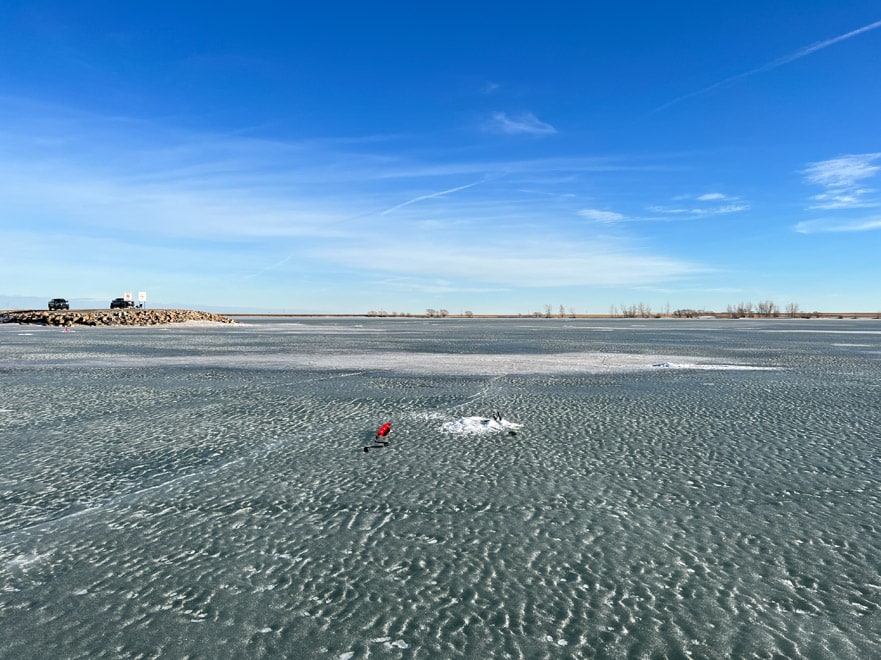
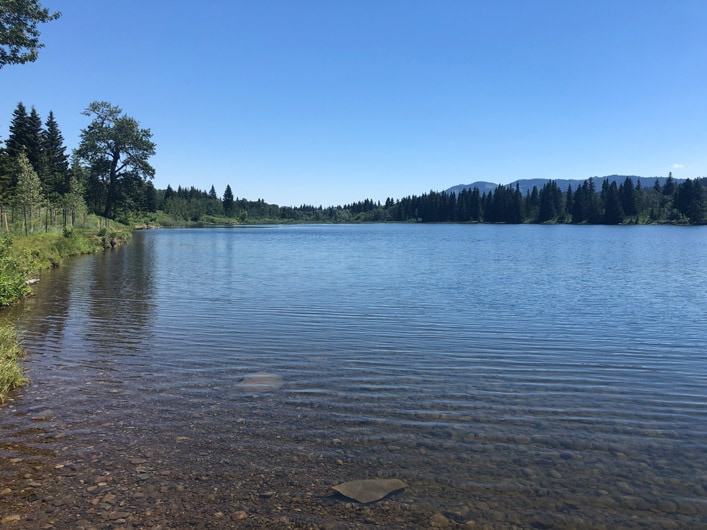
Elbow River starts at Elbow Lake in Kananaskis Country and flows toward Calgary, where it joins the Bow River near the Calgary Zoo.
It also feeds Glenmore Reservoir in Calgary, which is a popular pike fishing spot.
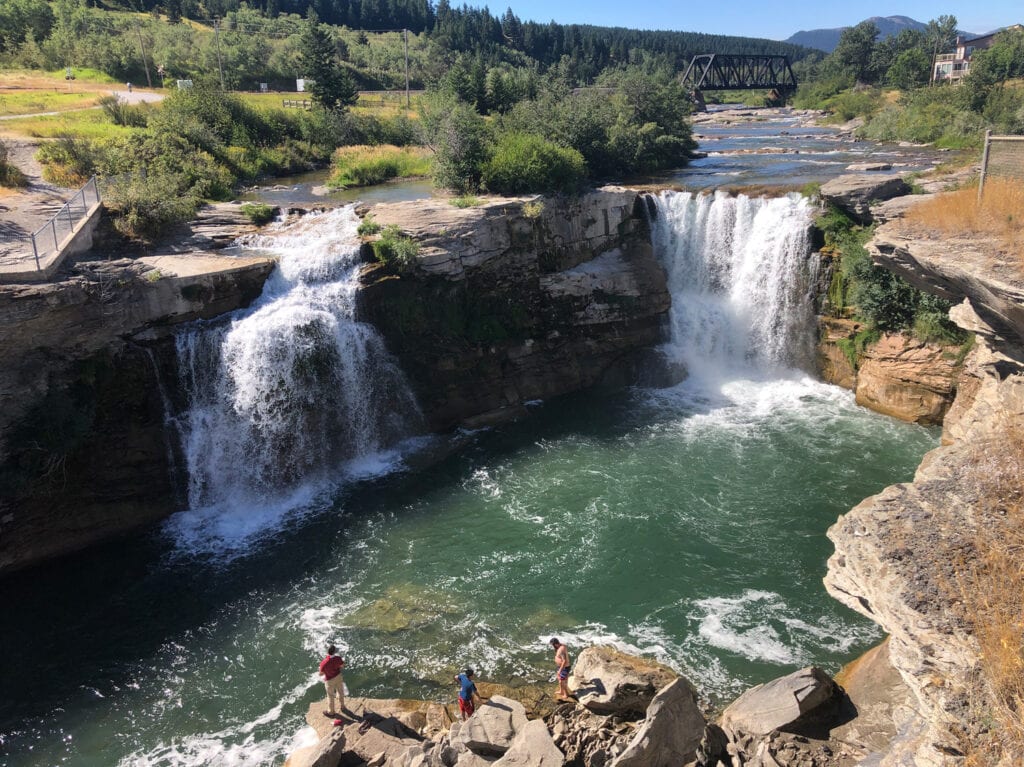
The most productive section of the Elbow River is between Glenmore Reservoir and the Bow River. One of the most popular fly fishing spots is located just downstream from the Glenmore Dam.
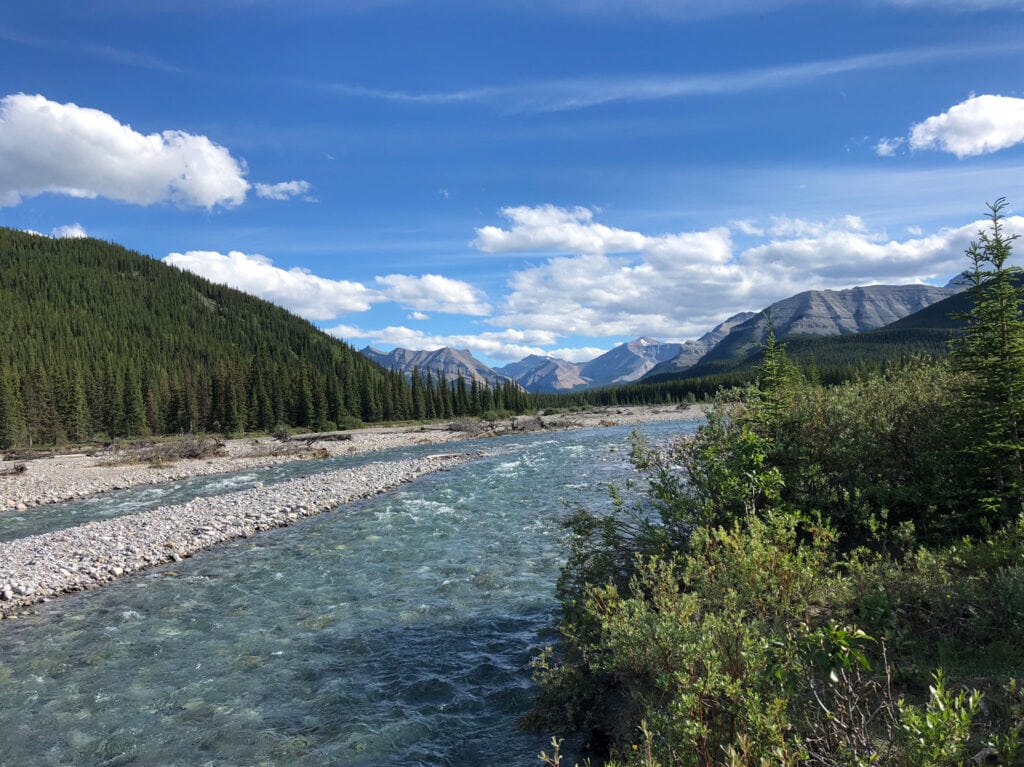


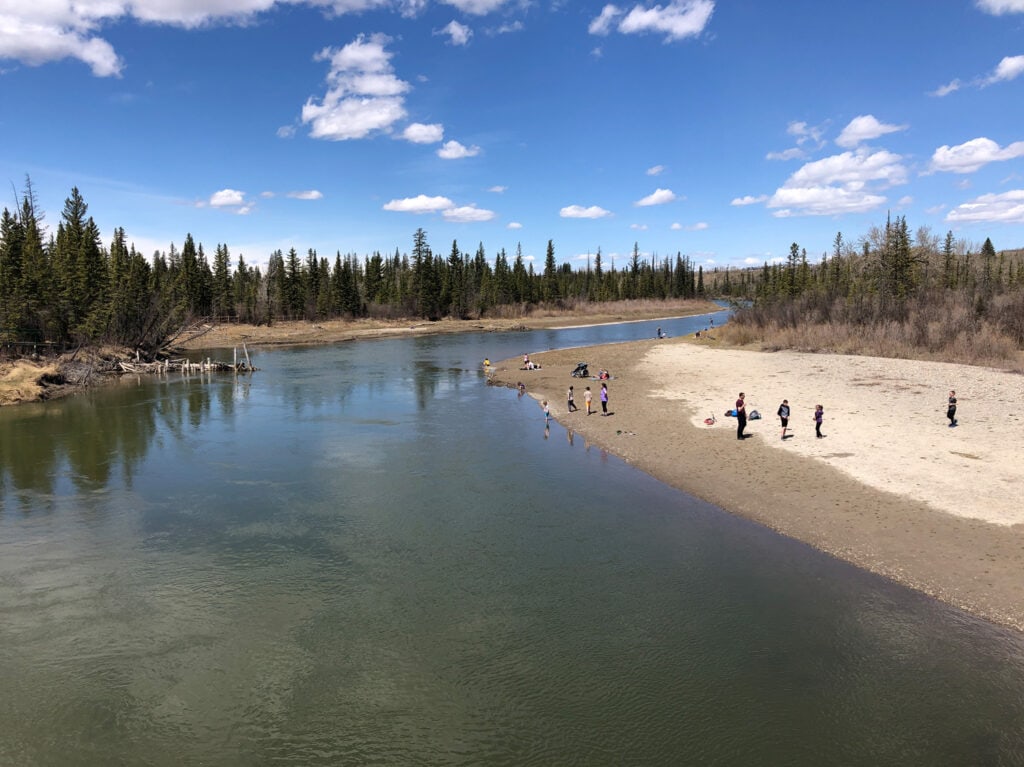
Elbow River Fishing in Calgary and Bragg Creek
The Elbow River looks like it should be easy to fish.
Clear water.
Rocky bottom.
Deep pools.
Long runs.
Cut banks.
Trout habitat almost everywhere you look.
Then you spend three hours walking the river without seeing a fish.
That experience is extremely common.
The Elbow River can produce brown trout, rainbow trout, brook trout, mountain whitefish and other species depending on where you fish, but it is not simply a smaller version of the Bow River.
Learning how to fish the Elbow means understanding that the river changes dramatically between Kananaskis, Bragg Creek, Glenmore Reservoir and downtown Calgary.
It also means accepting something important.
The Elbow can be a difficult river.
That does not make it a bad river.
In fact, for Calgary anglers who want accessible small river fishing, an evening trout session close to home or somewhere to practise reading moving water, the Elbow can be one of the most interesting fisheries around the city.
You just need to fish the river that is actually in front of you rather than the river you expect it to be.
Is the Elbow River Good for Fishing?
Yes, but expectations matter.
If your only goal is catching as many trout as possible, I would not automatically choose the Elbow over every other fishery around Calgary.
If your goal is exploring a smaller river, learning trout habitat, fly fishing close to Calgary or spending a couple of hours fishing after work, the Elbow makes much more sense.
The lower Elbow through Calgary is generally shallower and calmer than the Bow River. The City of Calgary specifically describes the Elbow as usually shallow and calm compared with the Bow.
That difference makes the Elbow approachable.
It also makes the fish easier to disturb.
On clear days you may be able to see straight through sections of the river.
The trout can often see you too.
Where Does the Elbow River Start?
The Elbow River begins in the mountains southwest of Calgary and eventually flows east toward the city.
It enters Glenmore Reservoir through the Weaselhead area.
Below Glenmore Dam, the river continues through Calgary before joining the Bow River.
The Weaselhead section is especially interesting because the river slows as it approaches Glenmore Reservoir and deposits sand and gravel, creating the only river delta within Calgary.
From a fishing perspective, this creates several very different versions of the same river.
Think of the Elbow as Three Different Fisheries
Trying to give one set of Elbow River fishing tips for the entire river does not work very well.
A much better approach is to think about three broad areas.
The Upper Elbow
This is the mountain and upper foothill water.
The river is colder.
Gradient is generally greater.
Rocks and boulders dominate.
Pools are smaller.
Fish holding areas can be surprisingly compact.
This is where you need to become good at fishing individual pockets instead of standing in one place and covering a huge run.
The upper Elbow watershed also contains some of the river’s most important native trout habitat.
Alberta’s environmental assessment work for the Springbank project notes that bull trout habitat is concentrated primarily farther upstream in the Elbow system.
The Bragg Creek and Foothills Elbow
Between the upper mountain water and Calgary, the Elbow begins changing.
The valley becomes broader.
You see longer runs.
Gravel bars become more obvious.
Pools can become larger.
There is more room to move between different water types.
This is the section many anglers picture when they search for Elbow River trout fishing or fishing near Bragg Creek.
It looks extremely promising.
Sometimes it is.
Sometimes you can fish beautiful looking water for hours without touching a trout.
That inconsistency is part of the Elbow.
The Calgary Elbow
Below Glenmore Reservoir, you are fishing an urban river.
The river passes Sandy Beach, Stanley Park, Mission and other central Calgary neighbourhoods before meeting the Bow.
This section contains trout habitat despite being surrounded by the city.
The Government of Alberta has undertaken habitat restoration below Glenmore Dam and around Sandy Beach specifically to improve spawning gravel for brown trout and rainbow trout.
So yes, there really are trout in the Elbow River inside Calgary.
What Fish Are in the Elbow River?
The Elbow watershed supports a surprisingly diverse fish community.
Depending on the part of the river, anglers may encounter:
- Brown trout
- Rainbow trout
- Brook trout
- Bull trout
- Mountain whitefish
- Suckers
- Burbot
- Northern pike in some parts of the system
Several smaller forage fish are also present.
The important point is that these fish are not distributed evenly.
Catching a particular species near Bragg Creek does not mean you should expect the same fish in equal numbers beside Stanley Park.
Elevation changes.
Water temperature changes.
Gradient changes.
Habitat changes.
Glenmore Reservoir divides the system.
The fish community changes with it.
Are There Brown Trout in the Elbow River?
Yes.
Brown trout are one of the most important fish in the lower Elbow.
The river below Glenmore Dam has historically provided spawning habitat for brown trout, and the provincial restoration work near the dam and Sandy Beach was specifically designed to restore spawning gravel for brown trout and rainbow trout after habitat damage associated with the 2013 flood.
Calgary River Valleys has also been involved in annual brown trout spawning nest counts on the lower Elbow since the 1990s.
That tells you something important.
The little urban river flowing through Calgary is biologically connected to a much larger trout fishery.
Why Did the 2013 Flood Matter?
Anyone comparing modern Elbow River fishing with stories from decades ago should understand what happened to the habitat.
The 2013 flood dramatically changed portions of the river.
Gravel moved.
Banks changed.
Pools changed.
Spawning habitat changed.
The province later identified the lower Elbow as a priority for fish habitat restoration and added suitable spawning gravel below Glenmore Dam and around Sandy Beach.
This matters because fishing stories have a long memory.
Someone may tell you a particular stretch was amazing twenty years ago.
The physical river may no longer be the same.
On a river, habitat is never completely permanent.
Can You Catch Trout in Downtown Calgary on the Elbow River?
Yes.
But do not expect the same trout density or fishing style you might associate with famous sections of the Bow.
The urban Elbow can produce brown trout and rainbow trout.
The challenge is finding the pieces of water the fish actually want.
A long shallow section with people floating through it may contain very few obvious holding positions.
Then one bend creates a six foot pool beside a cut bank and suddenly the river becomes interesting.
That is how I would fish the city section.
Do not fish kilometres of river equally.
Find the best twenty metres.
Stanley Park Is a Useful Starting Area
Stanley Park sits directly beside the Elbow River and the City of Calgary specifically lists fishing and river access among the park’s features.
That makes it useful for someone who simply wants to explore the urban river without searching for obscure access.
The fishing itself still depends on river conditions.
Walk.
Look for changes in depth.
Find current seams.
Check the deeper bends.
Fish structure.
Do not assume the easiest place to stand is the best place to cast.
What About Sandy Beach?
Sandy Beach is another recognizable Elbow River access area.
It is particularly interesting because provincial fish habitat work has taken place around this section.
The river below Glenmore Dam and near Sandy Beach received spawning gravel as part of the provincial FISHES habitat restoration program.
That does not mean every cast at Sandy Beach produces a trout.
It tells you the section contains meaningful trout habitat.
The actual fishing still requires finding the right water.
What About Weaselhead Flats?
Weaselhead is where the Elbow approaches Glenmore Reservoir.
The river slows and splits through a delta containing channels, bars and wetland habitat.
It is a completely different environment from the rocky river around Bragg Creek.
This area attracts anglers because you have river habitat meeting reservoir habitat.
That transition makes it interesting.
It can also be confusing because you are near two distinct waterbodies.
Before fishing around the transition into Glenmore Reservoir, verify exactly where you will be fishing and check the current official Alberta information for that water.
Is the Elbow River Near Bragg Creek Better for Trout?
It can certainly feel more like classic trout water.
The river west of Calgary is clearer, rockier and less urban.
There are pools.
Runs.
Pocket water.
Gravel.
Undercut banks.
It looks excellent.
But good looking habitat does not guarantee high trout numbers.
This is where many anglers become frustrated with the Elbow.
You can stand beside a perfect looking pool and think:
How can there not be a trout in there?
There may be one.
It may also have seen you before your first cast.
Or there may simply be fewer fish than you expected.
Clear Water Makes Elbow River Trout Difficult
The Elbow can become extremely clear.
That changes how I approach it.
Do not immediately walk to the edge of the best pool.
Stay back.
Fish the near water first.
Avoid standing on top of the trout.
Keep unnecessary movement down.
Wear neutral clothing if practical.
Make the first cast count.
This matters much more on a small clear river than on a huge stained reservoir.
The First Cast Is Often Your Best Cast
Imagine a brown trout sitting beneath an undercut bank.
Nothing has disturbed it.
Your spinner enters the water and passes perfectly through the feeding lane.
That fish might strike immediately.
Now imagine you make ten poor casts first.
Line lands over the pool.
You walk along the bank.
Your shadow crosses the water.
You snag a branch.
Then you finally make the perfect cast.
The fish may already know you are there.
On the Elbow, especially around clear shallow sections, stealth can matter almost as much as lure choice.
Where Should You Actually Cast?
Stop casting randomly toward the middle of the river.
Look for places where a trout can feed while using less energy.
The best Elbow River fishing water often includes:
- Deep pools
- Current seams
- Undercut banks
- Large rocks
- Pocket water
- Fallen wood
- Pool heads
- Pool tails
- Deeper outside bends
- Shade
- Fast water beside slow water
These are the places I would spend my time.
Fish the Deep Pools
This is probably the easiest starting point for somebody new to Elbow River fishing.
Find deeper water.
Do not simply cast into the centre.
Break the pool apart.
Fish where current enters.
Fish the slow edge.
Fish beside any wood or rock.
Fish the deepest portion.
Then fish the tail where the pool becomes shallow again.
A pool is several fishing spots, not one.
Look for Current Seams
A current seam forms where faster water travels beside slower water.
Trout love this type of situation.
The fish can sit in the easier water while food moves past in stronger current.
Cast so your lure, fly or nymph travels through the transition.
That is much more deliberate than throwing straight across the river and retrieving as quickly as possible.
Fish Behind Large Rocks
A boulder creates slower water behind it.
Even a relatively small pocket can hold a trout.
Upper and foothill sections of the Elbow contain plenty of rock.
Do not ignore the tiny soft spots.
Some of the best water may be only several feet across.
Put the lure through it accurately.
Undercut Banks Are Excellent Brown Trout Water
Brown trout like cover.
An outside bend where current has carved beneath the bank can provide:
Depth.
Shade.
Slower water.
Protection.
An ambush position.
That is a much better place to search than a bright featureless shallow flat.
Approach quietly.
Cast upstream of the cover and bring the presentation past it.
Fallen Trees Are Annoying for a Reason
You lose lures around wood.
Fish also use it.
A submerged branch creates cover and changes current.
Do not throw directly into the centre of the tree unless you enjoy donating tackle to the river.
Fish the edges.
Upstream side.
Downstream pocket.
Any opening beside the wood.
What Are the Best Lures for the Elbow River?
For spin fishing, I would keep the tackle box simple.
Small presentations make sense because much of the river is relatively small and many of the trout you encounter will not be huge.
Useful Elbow River lures include:
- Small inline spinners
- Small spoons
- Small minnow shaped crankbaits
- Two inch soft plastic minnows
- Small jigs
Silver is a good starting colour.
Gold is useful too.
Natural trout and minnow colours can work when the water is extremely clear.
But location matters much more than carrying fifteen colours of the same lure.
Small Inline Spinners Are Probably the Easiest Choice
If somebody asked me how to spin fish the Elbow River for the first time, I would probably hand them a small spinner.
Cast slightly upstream.
Let it settle briefly.
Retrieve fast enough that the blade works properly.
Bring it through the current seam or deeper portion of the pool.
Then take a step and repeat.
A spinner allows you to search efficiently without making the technique complicated.
Do Not Use an Oversized Pike Spinner
Small river trout do not require enormous hardware.
A compact spinner is much easier to fish through shallow pocket water.
It also lands more gently.
That matters on clear water where trout can be easily disturbed.
Think small stream trout.
Not giant reservoir pike.
Small Spoons Give You More Casting Distance
If the pool is larger, a small spoon can be useful.
You can reach the opposite bank.
Let it sink into deeper water.
Then work it through the pool.
Keep the spoon moving fast enough to avoid constantly hanging on bottom.
The Elbow has plenty of rocks available to take your lure permanently.
Soft Plastic Minnows Are Underrated
A small soft plastic minnow on a light jig gives you excellent depth control.
You can hop it through deeper pools.
Swim it beside a bank.
Let it drift through a seam.
Work it slowly near bottom.
This is particularly useful when the fish will not chase a fast spinner.
How Should You Retrieve a Spinner in Current?
Do not simply reel as fast as possible.
Cast slightly upstream or across.
Allow the spinner to enter the desired depth.
Then retrieve just fast enough to keep the blade working while maintaining control.
Current is already moving the lure.
Your reel does not need to do all the work.
A lure moving naturally through a trout’s feeding lane is much more convincing than one racing directly across the river.
Can You Fly Fish the Elbow River?
Absolutely.
In many sections, fly fishing is one of the most natural ways to approach the Elbow.
The smaller river size makes it manageable.
You often do not need enormous casts.
Accuracy matters more than distance.
A four or five weight rod is plenty for much of the trout fishing.
Then carry a small selection of nymphs, dry flies and streamers.
Nymphing Makes Sense on the Elbow
Mountain whitefish and trout feed heavily on aquatic insects.
A nymph drifting near bottom through a pool or run can be extremely effective.
The key is depth.
If the fish are feeding near bottom and your fly is drifting two feet above them, changing colour may not solve anything.
Adjust weight.
Adjust depth.
Get the fly into the feeding lane.
Streamers Can Find Better Brown Trout
If I were deliberately searching deeper Elbow River pools for a larger brown trout, I would want a few small streamers.
Leech patterns.
Small minnow patterns.
Woolly bugger style flies.
Work them beside banks.
Through deep pools.
Around wood.
Across current seams.
You are no longer imitating a tiny insect.
You are trying to trigger a predator.
Dry Fly Fishing Can Be Excellent When Fish Are Rising
Do not force dry fly fishing when nothing is happening.
Watch the river.
If trout are rising consistently, everything changes.
Look for insects.
Watch where the rises occur.
Fish that same lane.
A trout repeatedly rising beside a seam has already told you where it lives and what part of the water column it is using.
That is valuable information.
Can Beginners Fly Fish the Elbow River?
Yes.
In some ways, the Elbow is less intimidating than the Bow.
You often do not need a sixty foot cast.
A twenty foot accurate cast into a pocket can be enough.
The river also teaches useful skills quickly.
Reading current.
Controlling drift.
Approaching clear water.
Recognizing pools.
Understanding seams.
Managing line around trees.
The downside is that the fishing can be unforgiving.
A beginner may make good casts for an hour without knowing whether fish are actually present.
Why Am I Not Catching Fish in the Elbow River?
This may be the most important section of the entire article.
People regularly fish the Elbow, see beautiful trout habitat and catch absolutely nothing.
There are several common reasons.
You Are Fishing Convenient Water Instead of Good Water
Parking lots create anglers.
Fish do not care where you parked.
If everyone walks directly to the same easy section, you may be fishing heavily disturbed water.
Walk.
Explore.
Find a better pool.
The Elbow rewards anglers willing to move.
You Are Staying in One Spot Too Long
This is not a stocked trout pond where fish might eventually cruise past you.
If you properly fish a small pool and nothing happens, move.
The next pool may contain several fish.
River fishing is searching.
Especially on water where trout densities may be inconsistent.
Your Lure Is Too Large
A huge spoon can catch trout.
That does not mean it is the best tool for a small clear river.
Downsize.
Small spinner.
Small spoon.
Small minnow.
Small nymph.
Make the presentation easy for the fish to eat.
You Are Fishing Too High
Sometimes the fish is there.
Your lure simply never reaches it.
This happens constantly in deeper pools.
Current grabs your line.
The lure swings upward.
You think you fished the bottom.
You actually fished several feet above it.
Use enough weight to maintain control.
You Are Fishing Too Close to the Bottom
The opposite problem happens too.
Every cast snags.
You lose three lures.
Now you are scared to let anything sink.
Learn the depth.
Allow enough sink time to reach productive water without constantly dragging across the rocks.
Bottom contact is useful.
Living on the bottom is expensive.
The Trout Saw You First
This is especially common west of Calgary.
Clear water.
Small river.
Shallow pool.
You walk right to the edge.
The trout moves before you cast.
You never see it happen.
Then you spend twenty minutes fishing an empty pool.
Approach more carefully.
The River Is Too Busy
The Elbow through Calgary is a recreation river.
Rafts.
Swimmers.
Dogs.
Cyclists.
Walkers.
The City describes the Elbow as a popular floating river and maintains several access locations through Calgary.
That does not mean fish disappear every summer.
It means a quiet morning can feel completely different from a busy weekend afternoon.
If I wanted to fish the urban Elbow seriously, I would prefer quieter periods.
The Water Conditions Changed
River fishing can change quickly.
High flows make familiar pools harder to fish.
Low flows reduce available habitat.
Dirty water changes visibility.
Very clear water makes fish cautious.
Warm conditions can change trout behaviour.
Do not expect one technique to work identically every trip.
Read the river first.
Is Early Morning Good for Elbow River Fishing?
Yes.
Early morning has several advantages.
Less recreational activity.
Lower light.
Cooler conditions during warm periods.
Quieter banks.
That combination can make trout easier to approach.
It is one of my favourite times for fishing the urban Elbow.
Is Evening Good?
Also yes.
Lower light can make brown trout more comfortable leaving cover.
Insect activity may increase.
People begin leaving the river.
The city becomes quieter.
For somebody living near Marda Loop, Mission or southwest Calgary, this is one of the best things about the Elbow.
You do not need an entire fishing day.
Two hours in the evening can be enough.
What About Cloudy Weather?
Cloud cover can help on clear trout water.
Reduced light makes you less obvious.
Trout may feel more comfortable feeding away from cover.
I would not cancel an Elbow River trip because the sky is grey.
For brown trout especially, I might prefer it.
Can You Fish the Elbow Without Waders?
Yes.
There are many locations where you can fish from the bank.
Waders simply give you more casting angles and access.
If you do wade, move carefully.
The river may look shallow and gentle, but current, slippery rocks and unexpected deeper channels still deserve respect.
There is also no reason to stand in the middle of good trout habitat if you can reach it from shore.
Where Should a Shore Angler Start?
Look for public access where you can walk along the river and investigate several different water types.
Stanley Park is one obvious urban option because the City specifically identifies fishing access there.
Sandy Beach provides another recognizable section of the lower river.
Farther west, public recreation areas provide opportunities to explore foothill portions of the system.
Always respect private property.
A river flowing beside a road does not automatically mean the bank is public access.
Is Fishing Near Paddy’s Flat Worth Trying?
If you are camping around Paddy’s Flat, bring a rod.
But bring realistic expectations too.
This is not necessarily a fish every ten minutes type of river.
Treat it as small river exploration.
Walk.
Fish individual pools.
Look for pocket water.
Try nymphs.
Try small spinners.
Fish the shaded sections.
If one stretch looks beautiful but produces nothing, keep moving.
That approach makes much more sense than spending the entire afternoon in the first pool beside the campground.
Is the Elbow River Better Than the Bow River?
They are too different for that comparison to be very useful.
The Bow is a much larger river and one of Alberta’s best known trout fisheries.
The Elbow is smaller.
Shallower.
More intimate.
Often clearer.
And usually less forgiving.
The Bow can require long casts and powerful current control.
The Elbow often rewards stealth and accurate short casts.
You can enjoy both for completely different reasons.
Is the Elbow a Good Place to Catch Your First Trout?
Maybe.
If catching your first fish as quickly as possible is the only goal, a recently stocked trout pond may give a beginner better odds.
If you want to learn river fishing, the Elbow is useful.
It forces you to think.
Why does this pool look better?
Why is the current slower behind that rock?
Why did the trout sit beside that bank?
Why did one section produce while the next five did not?
Those lessons transfer to almost every river you will ever fish.
The Elbow Is a Walking River
This is probably the biggest practical difference between successful and unsuccessful Elbow River fishing.
Move.
A lot.
Do not bring a giant tackle box.
One rod.
A small lure box.
Pliers.
Net.
Water.
Polarized glasses.
Then explore.
The best pool of the day might be five minutes away from where you started.
Polarized Glasses Are Extremely Useful
Clear Elbow River water gives you an advantage.
You can actually see structure.
Dark pools.
Rocks.
Channels.
Fish.
Undercut banks.
Weed edges.
Polarized glasses remove much of the surface glare and make the river easier to read.
Even when you do not see trout, you can see where a trout should be.
Look for Dark Water
A darker patch often means deeper water.
On a shallow river, even a modest increase in depth can be significant.
One side of the river may be eighteen inches deep.
A dark trough beside it might be four feet.
That is a major habitat difference.
Fish the dark water.
Look for the River to Change
One of the easiest ways to find Elbow River trout is to look for change.
Shallow becomes deep.
Fast becomes slow.
Rock becomes gravel.
Bright becomes shaded.
Straight bank becomes a bend.
Open water becomes wood.
Smooth water becomes broken.
Fish often use edges.
Your job is finding them.
What Would I Bring for Spin Fishing?
A simple Elbow River spinning setup does not need to be expensive.
I would use:
- Light or medium light spinning rod
- Light line
- Several small silver and gold inline spinners
- Several small spoons
- Two inch soft plastic minnows
- A few light jig heads
- Small minnow shaped crankbaits
- Pliers
- Small landing net
That covers almost everything I want to do.
What Would I Bring for Fly Fishing?
Keep that simple too.
A four or five weight rod is enough for much of the river.
I would carry:
- Small nymphs
- Pheasant tail style patterns
- Hare’s ear style nymphs
- Caddis patterns
- Small dry flies
- Small leech patterns
- Woolly bugger style flies
- A few small streamers
The exact fly matters less than putting it in the correct part of the river.
How Long Should You Fish One Pool?
There is no exact number.
But I would not spend an hour on a small pool unless I had seen fish.
Cover the obvious lanes.
Change depth.
Change angle.
Maybe change presentation.
Then move.
If you are fishing the Elbow properly, you should see a lot of river during the day.
What Should You Do After Catching One Trout?
Slow down.
A trout is information.
Where exactly was it?
Deepest water?
Beside a bank?
Behind a rock?
At the head of the pool?
In fast water?
Did it hit during the retrieve or while the lure was falling?
Now find another piece of water with the same characteristics.
That is how you stop relying on luck.
Why the Elbow Is Still Worth Fishing
The Elbow will frustrate you.
You may walk past kilometres of water that looks incredible and catch nothing.
You may get excited about a deep pool and discover it is empty.
You may spend an evening watching tiny fish while the trout refuse everything.
Then another day you make one accurate cast beside an undercut bank and a brown trout appears from water you thought was too shallow.
That is what makes this river interesting.
It is not a numbers fishery every time you visit.
It is a river that rewards observation.
Elbow River Fishing Questions
Is there trout in the Elbow River?
Yes. Brown trout and rainbow trout are important parts of the system, with other trout species occurring in portions of the watershed. The lower river has also received provincial habitat restoration specifically aimed at brown trout and rainbow trout spawning habitat.
Can you fish the Elbow River in Calgary?
There is accessible river fishing within Calgary. Stanley Park is one city park that specifically lists fishing and river access among its features.
Is downtown Elbow River fishing any good?
It can produce fish, particularly when you locate deeper pools, current seams, undercut banks and structure. It is less consistent than many new anglers expect, so walking and searching are important.
What is the best lure for the Elbow River?
A small inline spinner is probably the easiest starting point for spin fishing. Small spoons, minnow shaped soft plastics and compact crankbaits are also useful.
What colour spinner works on the Elbow River?
Silver is a good starting point. Gold is also useful. In very clear water, natural colours can work well. Location and presentation matter more than collecting every possible colour.
Is the Elbow River good for fly fishing?
Yes. The river is well suited to light fly fishing because many productive areas can be reached with accurate short casts. Nymphs, dry flies, leech patterns and small streamers all have a place.
Is the Elbow River near Bragg Creek worth fishing?
Yes, particularly if you enjoy exploring smaller trout water. The river can be challenging and fish may be scattered, so concentrate on deeper pools, seams, pocket water and cover rather than fishing every metre equally.
Are there bull trout in the Elbow River?
Bull trout are part of the upper Elbow system. Provincial environmental work indicates their important habitat is concentrated farther upstream in the watershed.
Why does the Elbow look perfect but have so few bites?
Good looking water does not necessarily contain fish. Clear water can make trout difficult to approach, fish may be concentrated in a limited number of pools, urban sections receive substantial recreational disturbance and the river’s habitat has been altered by major flood events.
Was the Elbow River affected by the 2013 Calgary flood?
Yes. The province later undertook fish habitat restoration below Glenmore Dam and near Sandy Beach after the flood affected spawning habitat.
Is the Elbow easier to fish than the Bow?
It is smaller and often easier to physically approach, but that does not necessarily make the fish easier to catch. The clear shallow water can make Elbow River trout surprisingly difficult.
Do I need waders?
No. Plenty of water can be reached from shore. Waders simply increase your options and allow better casting angles in some locations.
What is the best advice for somebody fishing the Elbow for the first time?
Do not stay beside the parking lot.
Walk until you find good water.
Fish the deep pools.
Look for seams.
Approach quietly.
Use smaller presentations.
Move when nothing happens.
And pay very close attention when you finally catch one.
The Elbow River rarely gives up fish by accident for long.
Once you understand why that trout was sitting in that exact piece of water, the entire river starts looking different.