Every year, Alberta’s stocked trout program gives anglers thousands of opportunities to catch rainbow trout close to home. Yet one question comes up again and again:
“The lake was stocked, so why am I not catching fish?”
The answer is simple: stocking is only one part of the equation.
Water temperature, weather, fishing pressure, oxygen levels, and fish behaviour all change throughout the year. Understanding these seasonal patterns will help you catch more trout, whether you’re fishing a small pond near the city or a larger stocked lake in the foothills.
Spring: The Best Time for Most Anglers
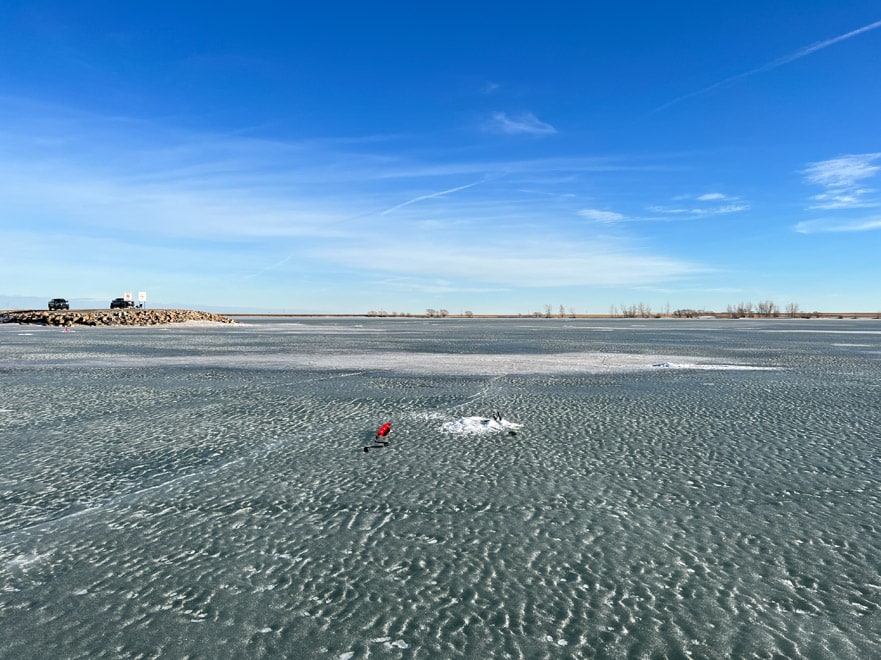
Spring is when Alberta’s stocked trout lakes come alive.
As the ice disappears, the water is cold and rich in oxygen from top to bottom. Trout can comfortably swim anywhere in the lake, making them much easier to find than during the middle of summer.
Freshly stocked trout are also adjusting to their new environment. While they may not feed immediately after being released, they quickly begin searching for natural food once they become comfortable.
Spring Tips
- Fish shallow shorelines during the morning.
- Cast small spoons, spinners, or trout magnets.
- Float bait just off the bottom using a slip bobber.
- Look for areas where the wind is pushing insects toward shore.
Many Alberta anglers catch their first trout of the season within a few weeks of ice-out because fish are active throughout much of the day.
Early Summer: A Time of Opportunity
By June, aquatic insects become far more abundant.
Trout begin feeding on chironomids, mayflies, caddisflies, leeches, and other natural food sources. While stocked trout still respond to traditional baits, they also become noticeably more selective.
This is an excellent time to experiment with different presentations.
Popular choices include:
- Small spoons
- Wedding band spinners
- Woolly Bugger fly patterns
- Leeches under a float
- PowerBait fished off the bottom
Water temperatures remain comfortable, and trout often cruise just beyond the weed line looking for food.
Mid-Summer: Why Fishing Gets Tougher
July and August are when many anglers become frustrated.
The trout haven’t disappeared.
They’ve simply moved.
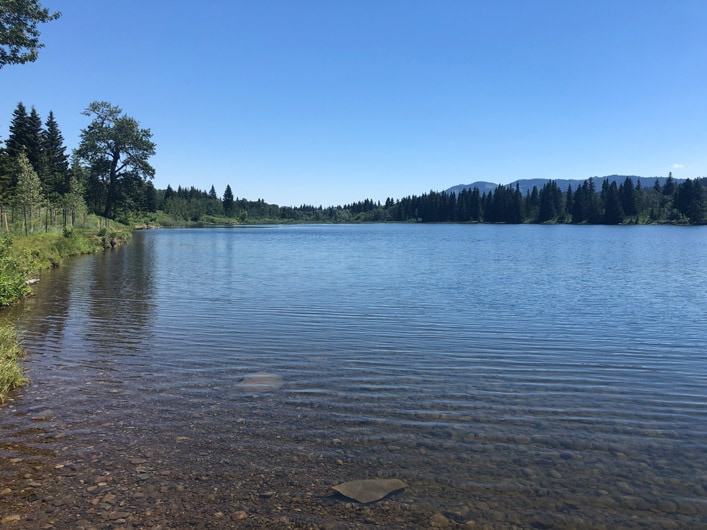
As surface water warms, trout seek cooler temperatures deeper in the lake whenever possible. Feeding activity often shifts toward early morning, late evening, and overcast days.
This is when many anglers make the mistake of fishing exactly as they did in May.
Fish Smarter During Summer
Instead of casting all afternoon from the same shoreline:
- Arrive before sunrise.
- Fish during the last two hours before sunset.
- Target deeper water near drop-offs.
- Slow your presentation.
- Watch for wind-blown shorelines where food collects.
On very warm days, even a few degrees of cooler water can make a huge difference.
Early Fall: One of Alberta’s Most Underrated Seasons
As nights become cooler, trout become increasingly active.
Cooling water allows fish to spread throughout the lake once again, and feeding often becomes much more aggressive.
Many experienced anglers consider September one of the best months of the year for stocked trout.
Fish know winter is approaching and begin feeding more consistently.
If you’ve struggled through the heat of summer, don’t put your gear away too early.
Some of the year’s best fishing is still ahead.
How Weather Changes Trout Behaviour
Weather affects trout far more than many anglers realize.
Cloud Cover
Cloudy skies reduce light penetration, making trout more comfortable feeding in shallow water for longer periods.
Wind
A moderate wind pushes insects, plankton, and other food toward one side of the lake.
Trout often follow.
Don’t automatically choose the calmest shoreline.
Sometimes the windy side produces the best fishing.
Rain
A light summer rain can improve fishing by cooling surface water and increasing oxygen levels near shore.
Heavy runoff, however, may temporarily reduce water clarity.
Understanding Holdover Trout
Not every trout stocked into Alberta’s lakes is caught during its first season.
Some survive the winter and continue growing for several years.
These “holdover” trout behave differently than recently stocked fish.
They become:
- More cautious
- Better at finding natural food
- Less likely to chase flashy presentations
- More likely to hold near structure or deeper water
Catching holdover trout often requires patience and a more natural presentation.
The reward is a larger, stronger fish that provides an unforgettable fight.
Five Things to Check Before Your Trip
A few minutes of preparation can save hours on the water.
Before leaving home, check:
- Recent stocking history.
- Weather forecast.
- Wind direction.
- Water conditions.
- Current fishing regulations.
Planning around these factors often has a greater impact than changing lures every few minutes.
Common Mistakes to Avoid
Many anglers unknowingly reduce their chances of success.
Some of the most common mistakes include:
- Fishing during the hottest part of the day.
- Standing in one spot for hours.
- Retrieving every lure too quickly.
- Ignoring deeper water during summer.
- Assuming recently stocked fish will bite immediately.
Small adjustments in timing and location usually produce better results than constantly changing tackle.
Final Thoughts
Alberta’s stocked trout lakes offer excellent fishing throughout much of the year, but success depends on understanding how trout respond to changing conditions.
The anglers who consistently catch fish aren’t relying on secret lures or expensive equipment.
They’re paying attention to seasonal patterns, water temperature, weather, and fish behaviour.
The next time you head to a stocked trout lake, don’t just ask “What should I use?”
Instead, ask:
- Where are the trout likely holding today?
- When will they be most active?
- What has changed since my last trip?
Those questions will help you become a more successful angler throughout the entire season.

Recent Fishing Reports